


Environmental Risk Management: Strategies for Corporate Sustainability

Updated: Dec 17, 2025
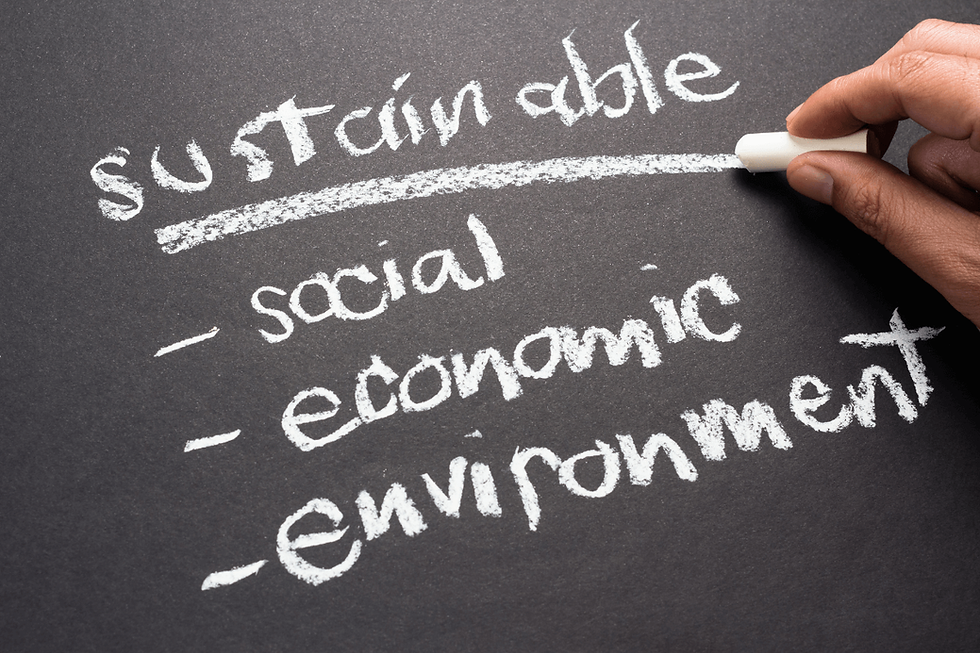
In a rapidly changing global economic environment, sustainability is a crucial element for business competitiveness. Every enterprise has an impact on the environment and faces risks that, if left unmanaged, can result in penalties, reputational damage, and significant costs. Conversely, adopting proactive environmental management allows companies to transform these risks into opportunities, improving operational efficiency and meeting the expectations of stakeholders increasingly attentive to social responsibility issues.
1. The new VSME standards: a benchmark for the future
The new VSME (Sustainable Assessment and Mitigation of Environmental and Economic Risks) standards represent an advanced regulatory and operational framework, designed to help companies integrate sustainability into every aspect of their operations. These standards are distinguished by their structured and innovative approach that combines environmental, economic, and social aspects, providing practical guidelines for identifying and mitigating environmental risks.
One of the main novelties of VSMEs is the emphasis on strategic integration, which requires companies to align their environmental goals with operational and financial priorities. This includes long-term planning for reducing carbon emissions, optimizing natural resources, and adopting circular economy practices. The standards also promote the use of advanced digital technologies, such as IoT systems and AI-based predictive analytics, to monitor environmental performance in real time and anticipate any critical issues.
Another distinctive aspect is the focus on transparency and stakeholder engagement. VSMEs encourage businesses to publish detailed sustainability reports, providing key metrics and measurable progress data. This approach not only improves stakeholder trust, but also helps position the company as a responsible leader in its industry.
In summary, the new VSME standards not only provide a list of requirements to be met, but represent a true model for guiding businesses towards sustainable and resilient growth. Adopting them means not only responding to growing regulatory demands, but also seizing new opportunities for innovation and competitiveness in an increasingly sustainability-oriented economic landscape.
2. Sustainability and Environment Management System
The sustainability and environmental management system is an organizational structure that allows companies to monitor and reduce their environmental impact, while ensuring compliance with current regulations and increasing their competitiveness. This system promotes the adoption of innovative processes and responsible practices, turning challenges into levers for sustainable development. The importance of a well-designed system lies in its ability to provide a comprehensive view of business performance, identifying critical areas and offering solutions to improve efficiency. For example, a company that monitors energy consumption can take timely action to reduce waste, achieving economic and environmental benefits simultaneously. Furthermore, the system's integrated approach ensures that every business area, from production processes to marketing, is aligned with sustainability goals.
2.2 Key principles for an effective system
A sustainability management system must be based on strategic planning that involves all business areas. This means that every department, from human resources to logistics, must understand its role in achieving environmental goals. To achieve concrete results, it is essential to adopt advanced monitoring tools, such as IoT sensors, to collect precise data in real time. This data can be used to analyse trends, assess the effectiveness of implemented policies and identify opportunities for improvement. Communication engagement is equally important: regularly informing internal and external stakeholders about environmental progress not only increases transparency but strengthens trust in business management.
2.3 Integrating sustainability into business strategy
Integrating sustainability into corporate strategy requires a holistic approach that aligns environmental priorities with economic objectives. This process is not limited to the adoption of ecological practices, but involves a profound transformation of operational and strategic decisions. Identifying key environmental risks and opportunities is the first step. For example, in resource-intensive sectors, such as manufacturing, improving energy efficiency and reducing waste can lead to significant competitive advantages. Corporate leadership must take the lead, demonstrating a concrete commitment to sustainability through tangible actions, such as adopting innovative technologies and promoting green initiatives. Effective communication of results, such as the publication of sustainability reports, helps strengthen the company's reputation and build trusting relationships with customers, investors and local communities.
3. Identification and assessment of environmental risks
Identifying and assessing environmental risks is a crucial step for sustainable management. This process requires a thorough analysis of business activities to identify potential sources of negative environmental impacts. An effective methodology involves the use of tools such as the risk matrix, which allows risks to be classified and prioritized based on their probability and severity. Environmental audits, moreover, are a key tool for assessing regulatory compliance and identifying critical areas. These assessments should be conducted regularly to ensure that policies and procedures are always up to date with respect to regulatory developments and best practices.
3.2 Best practices for mitigating environmental risks
To mitigate environmental risks, companies can adopt a series of targeted strategies. Among these, the implementation of a circular economy approach allows for minimizing waste and maximizing resource reuse. For example, waste materials can be reintroduced into production processes, helping to reduce the overall impact. Furthermore, investing in low-emission technologies, such as renewable energy systems, not only mitigates environmental risks but also strengthens corporate energy efficiency. Staff training and awareness policies are equally crucial: informed and engaged employees are more likely to respect and promote sustainable practices. Finally, establishing partnerships with suppliers and stakeholders to develop shared solutions can amplify the positive impact of business initiatives.
4. Digital tools and technologies for sustainability
Digitalization has revolutionized environmental management, providing advanced tools to monitor, analyze, and optimize the environmental impact of business activities. IoT sensors, cloud platforms, and artificial intelligence allow you to collect real-time data on emissions, energy consumption, and waste management. These technologies not only improve the accuracy of analyses, but also allow for the implementation of timely interventions to correct critical issues. For example, a digital monitoring system can report an anomaly in energy consumption, allowing the company to take immediate action to reduce waste and costs.
4.2 Software and platforms for monitoring and compliance
The use of dedicated software is essential to ensure compliance with environmental regulations and optimize internal processes. Environmental management platforms integrate features such as automated audits, advanced reporting, and predictive analytics. These tools support companies in identifying risks and implementing more effective mitigation strategies. Furthermore, the adoption of scalable solutions allows companies to quickly adapt to regulatory developments, maintaining a competitive advantage.
5. Stakeholder involvement and staff training
Management involvement is essential to foster a sustainability-oriented corporate culture. Managers must lead by example, actively supporting environmental initiatives and communicating the importance of sustainable practices. Through strong leadership, it is possible to motivate staff and foster the adoption of virtuous behaviors. Employee training is a key element in the success of any sustainability strategy. Workshops, online courses and outreach programmes can help staff understand the importance of environmental management and actively contribute to business objectives. Initiatives such as recognizing virtuous behaviors and building dedicated sustainability teams foster greater engagement and accountability at the collective level.
6. Competitive advantages of an environmental management system
Implementing an environmental management system optimizes business processes, reducing waste and improving resource efficiency. This leads not only to a positive environmental impact, but also to significant economic savings. In addition to this, a strong commitment to sustainability also strengthens the company's image, increasing the trust of customers, investors, and stakeholders. Effectively communicating environmental management achievements helps position the company as a responsible leader in its industry.
Companies that adopt advanced environmental management systems are better prepared to address global challenges, such as climate change and regulatory developments. This operational resilience represents a competitive advantage in an increasingly sustainability-oriented market.
7. Communication of sustainability: transparency and trust
Publishing sustainability reports is a key tool for demonstrating corporate commitment and building stakeholder trust. These documents must include clear data and concrete objectives, highlighting progress made and areas for improvement.
Actively engaging customers and local communities through events, awareness campaigns and social initiatives helps to create a sense of belonging and strengthen the reputation of the company.
8. Future vision: towards a sustainable and innovative model
The future of environmental management is rich in opportunities, but it also presents significant challenges. The transition to a sustainable economic model requires investment in innovative technologies, strategic collaborations and a sustained commitment to staff training. Companies that take a proactive approach to environmental management can turn risks into growth opportunities. Innovation, operational efficiency and transparency are the keys to thriving in an increasingly sustainability-driven competitive landscape.


Comments